Closing the Corporate Accountability Gap in Africa
The 4thABHRF:Why Collective Legal Action Matters More Than Ever
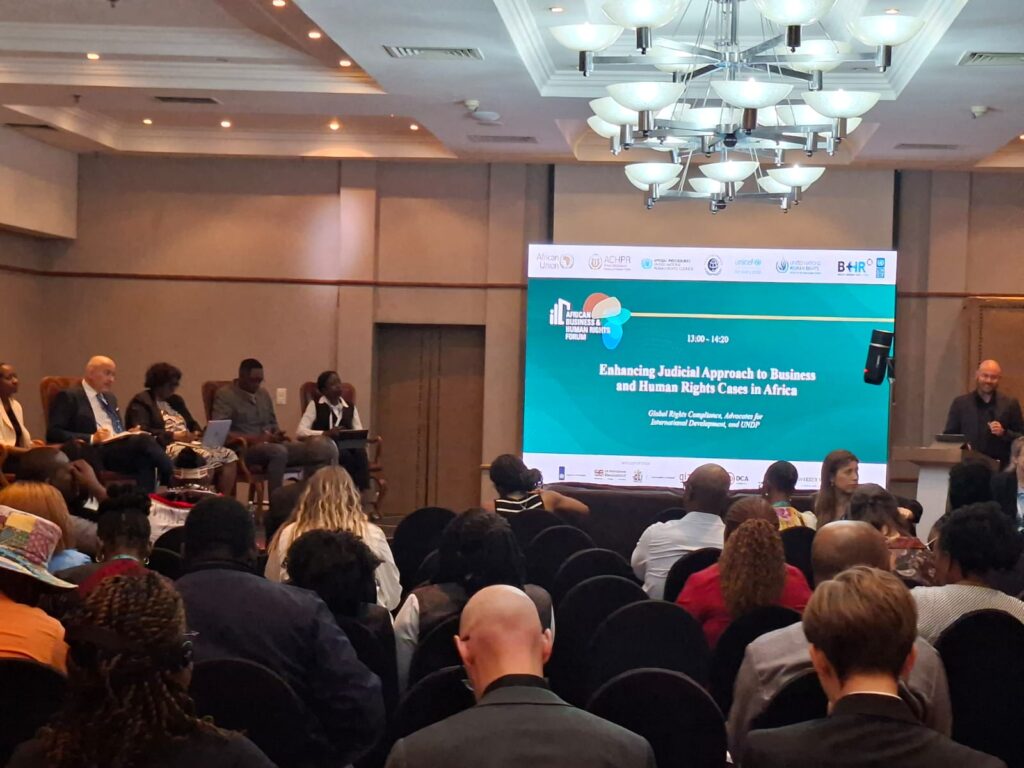
In an era where global business activity continues to expand across borders, ensuring accountability for human rights abuses remains one of the most pressing challenges facing legal systems today. At the 4th Africa Business and Human Rights Forum in Lusaka, A4ID – alongside Global Rights Compliance and UNDP Africa – brought together leading experts to tackle this challenge head-on.
The joint session, “Enhancing Judicial Approach to Business and Human Rights Cases in Africa,” offered a powerful platform to explore how legal systems can better deliver effective remedies for affected communities – and what it will take to bridge the persistent gap between rights and justice.
Why This Matters Now
Across Africa and globally, individuals and communities impacted by business-related human rights abuses continue to face significant obstacles in accessing justice. While frameworks and standards have evolved, implementation and enforcement remain inconsistent.
The Lusaka panel highlighted that closing this gap requires more than policy commitments – it demands sustained investment in legal systems, stronger institutions, and coordinated global partnerships.
For donors and partners, this represents a critical opportunity: supporting legal empowerment and institutional capacity-building can produce long-term, systemic change that directly improves access to justice.
Expert Perspectives from the Frontlines of Justice
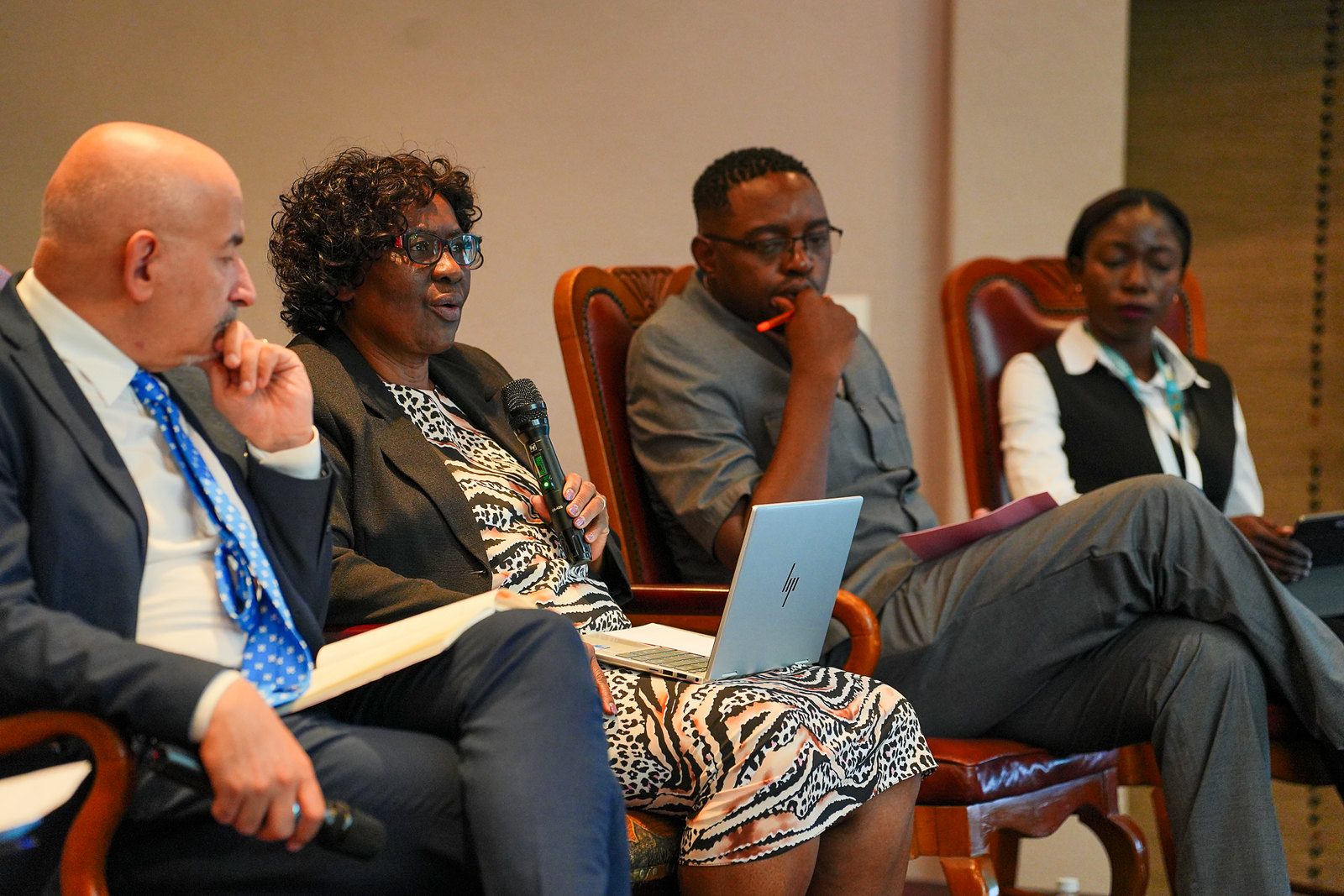
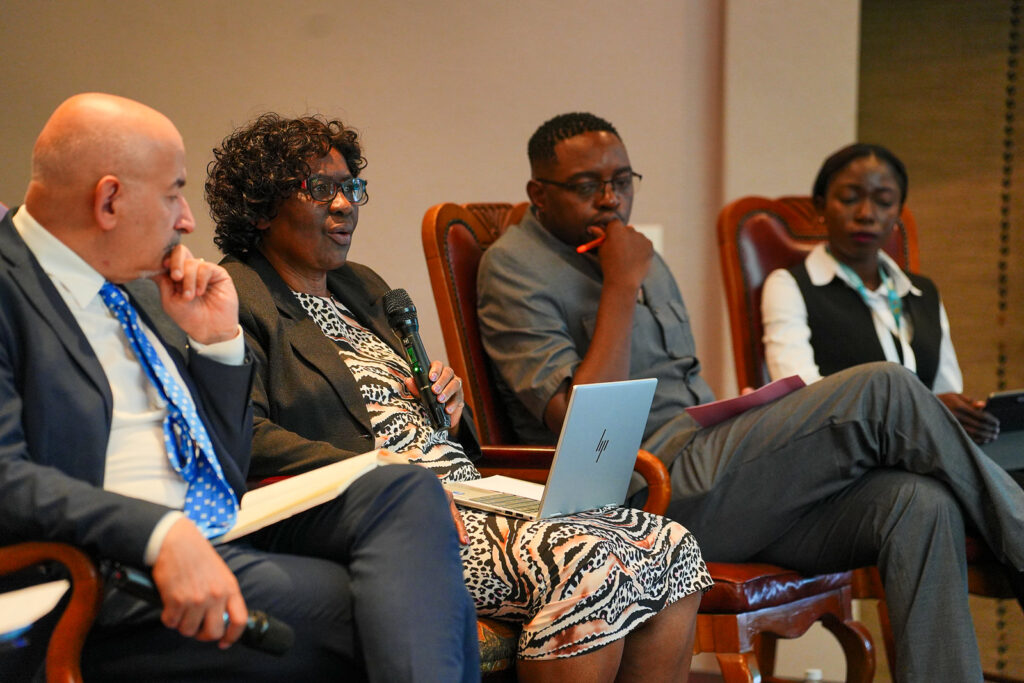
Moderated by Oliver Holland, Partner at Leigh Day Solicitors, the session convened a distinguished panel of experts with deep experience across litigation, judicial systems, and international human rights:
Hon. Lady Justice (Rtd) Hannah Okwengu, Retired Judge, Court of Appeal of Kenya
Agnes Nzisa Rogo, Regional Director – East Africa, Women’s Link Worldwide
Livio Sarandrea, Global Advisor – UNDP
Emmanuela Sakala, Southern Africa Litigation Centre (SALC)
Together, they provided candid insights into the real-world barriers faced by claimants, including:
Complex jurisdictional issues in cross-border cases
High litigation costs limiting access to courts
Difficulties in obtaining reliable and compelling evidence
Resistance from corporate actors
Weak or inconsistent enforcement of legal decisions
These barriers underscore the urgent need for stronger judicial approaches and targeted legal support.
From Insight to Action: What Drives Change
A key takeaway from the discussion was clear: closing the corporate accountability gap requires coordinated, strategic action.
Panellists emphasised four essential pillars for progress:
Awareness-raising to ensure affected communities understand their rights
Capacity-building for judges, lawyers, and institutions handling complex cases
Strategic litigation to establish precedents and drive systemic reform
Cross-sector collaboration between legal actors, civil society, and policymakers
For funders and development partners, these pillars highlight where investment can have the greatest catalytic impact – helping transform legal frameworks into tangible justice outcomes.
The Power of Partnership
The session also demonstrated the critical role of partnerships in advancing corporate accountability.
A4ID extends sincere thanks to the Danish Institute for Human Rights (DIHR) for supporting the participation of key contributors, including:
Hon. Lady Justice (Rtd) Hannah Okwengu
Agnes Nzisa Rogo
We also recognise the contributions of A4ID’s legal experts:
Responsible Business and the SDGs: A Roadmap to Prosperity
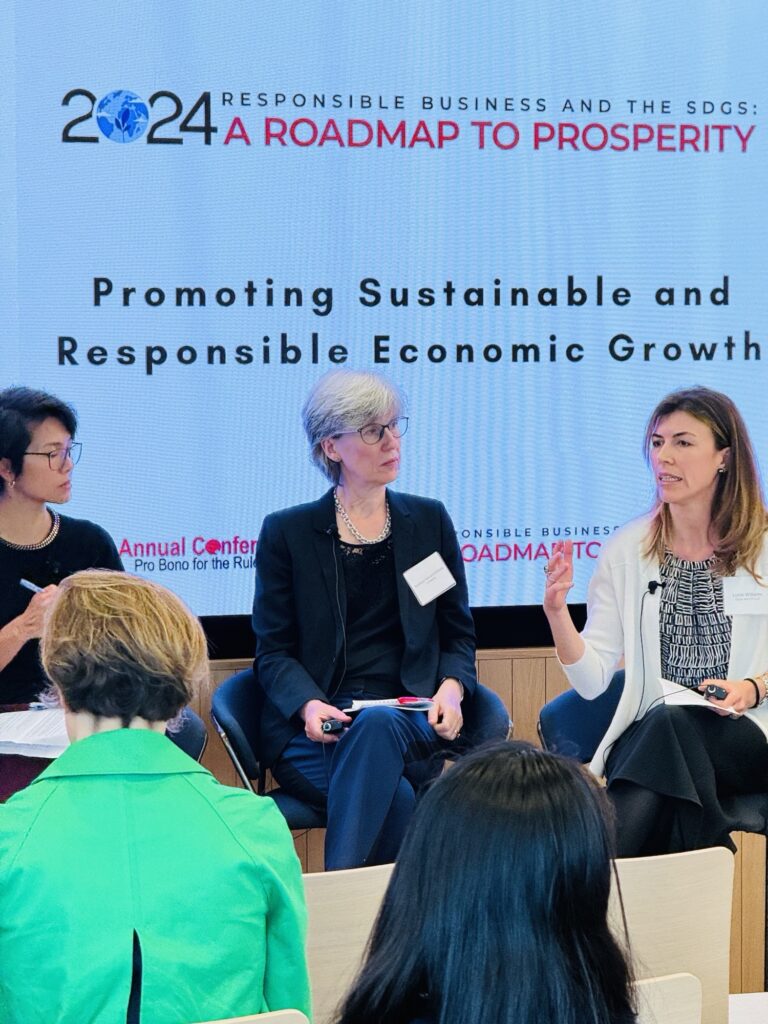
The 2024 A4ID annual conference, ‘Responsible Business and the SDGs: A Roadmap to Prosperity’ was held on 21 May and focused on the UN Prosperity Chapters of the Sustainable Development Goals: 8-11.
The prosperity goals are all concerned with achieving a higher standard of living: Affordable and clean energy (SDG 7); decent work and economic growth (SDG 8); industry, innovation and infrastructure (SDG 9); reduced inequalities (SDG 10); and sustainable cities and communities (SDG 11).
The event held at Dechert LLP offices fostered dialogue between legal and developmental experts on achieving on enhancing and enabling the economic well-being and growth of people worldwide following global crises such as climate change, Covid-19, and the Russo-Ukraine war and the impact on progress towards the Sustainable Development Goals.
In 2023 the World Bank witnessed slow economic growth and high inflation rates impact standards of living worldwide. The conference offered an opportunity to take a deeper look at how we understand and measure prosperity, and how the legal sector can support development efforts.
Sessions included:
Using the UN Prosperity SDGs as a Framework to Strengthen Rule of Law
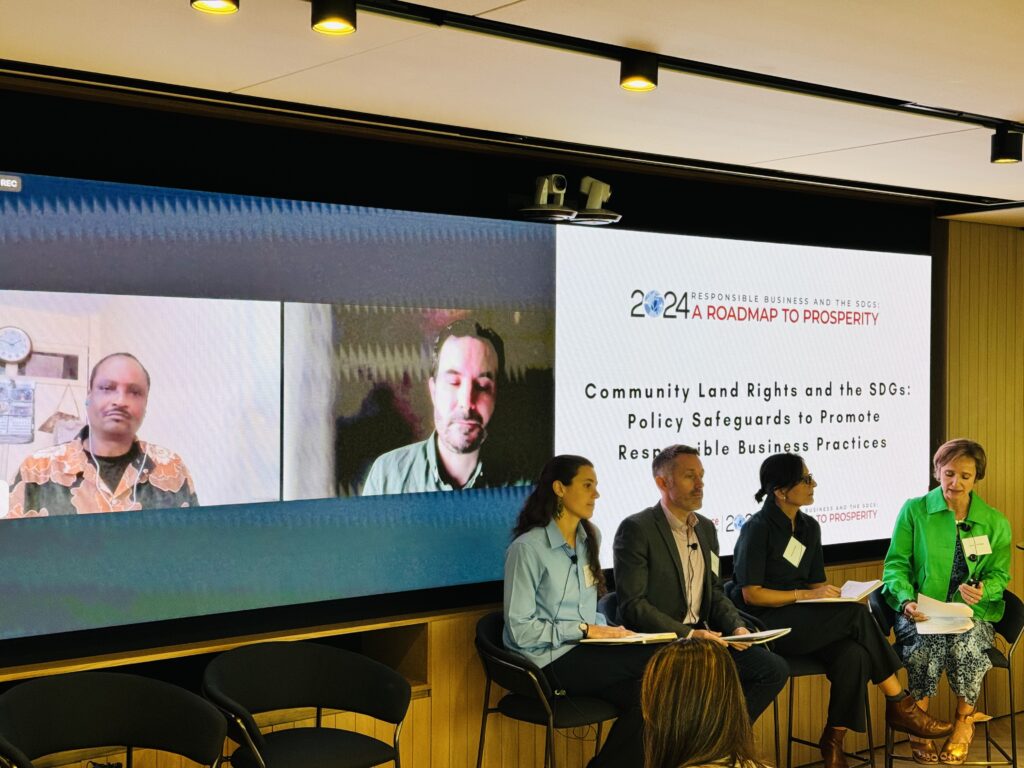
Community Land Rights and the SDGs
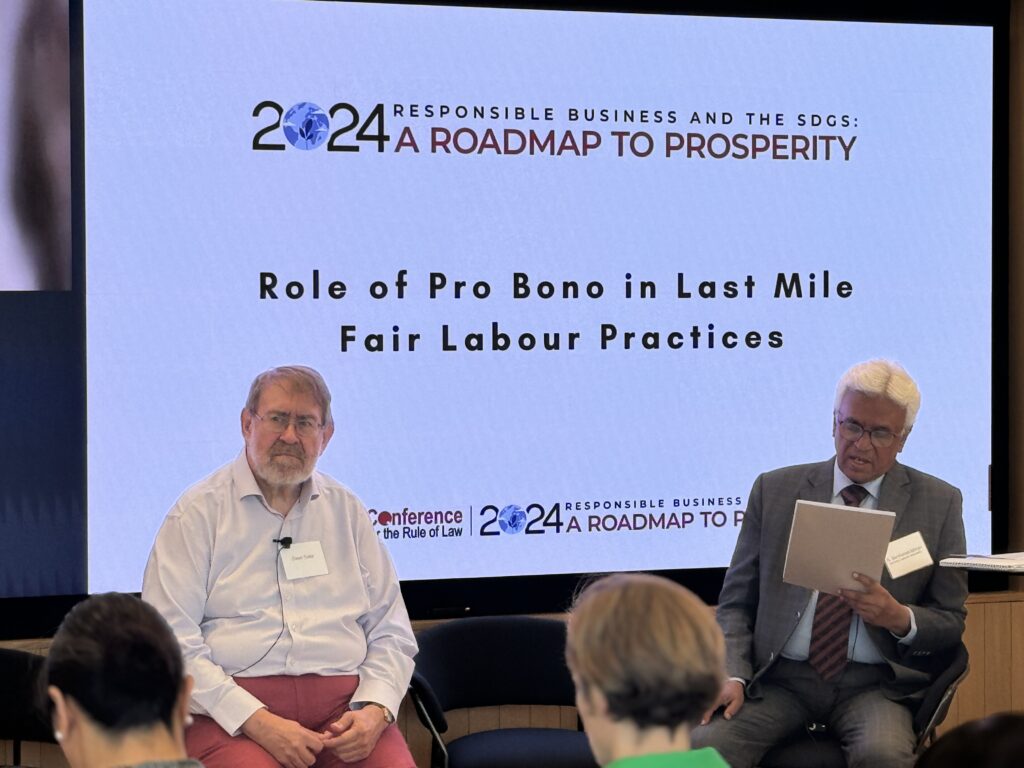
Role of Pro Bono in Last Mile Fair Labour Practices
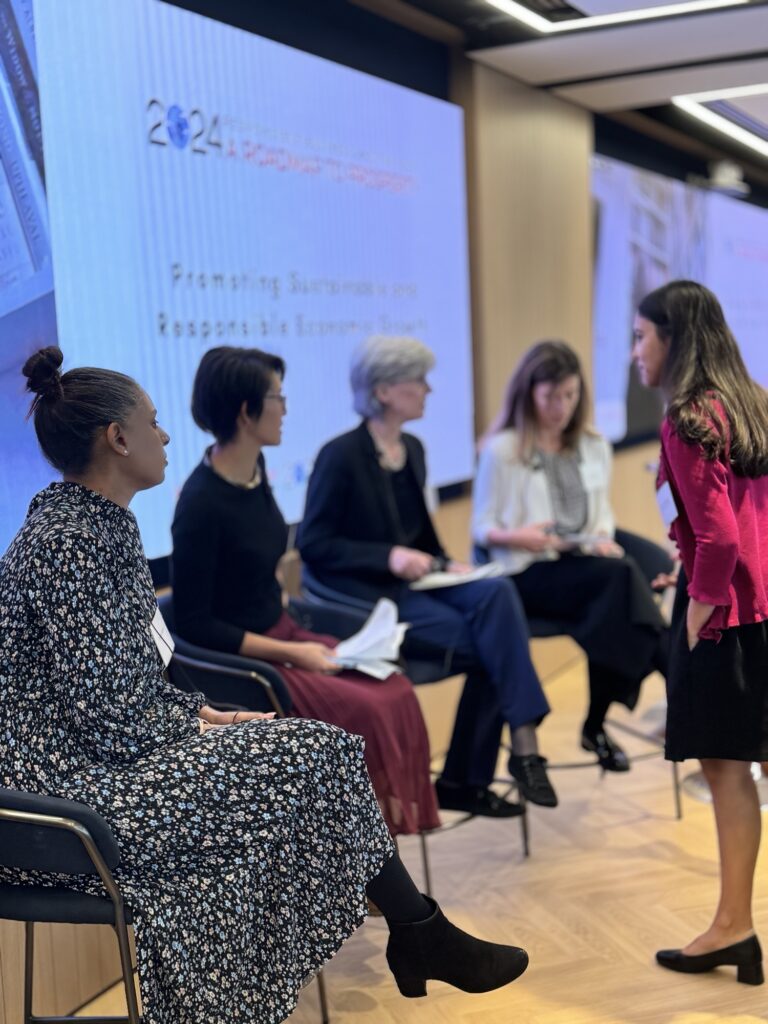
Promoting Sustainable and Responsible Economic Growth
Emerging Economies and the Opportunity to Get it Right
CEO Insight: Law, Justice, and the Eradication of Poverty
“Poverty is a denial of human rights for every individual. Indeed, poverty is utterly appalling.”
When Kofi Annan spoke these words in 2002, he captured a truth that remains as urgent today as it was two decades ago. As we mark the International Day for the Eradication of Poverty today on 17 October, we are reminded that poverty is not only an economic condition it is a profound injustice that undermines human dignity and opportunity in every form.
Officially recognised by the United Nations in 1992, this day stands as a call to action: to stand in solidarity with those who continue to experience hardship, exclusion, and inequality. At A4ID, we believe that the law is one of the most powerful tools to address this injustice. Law shapes systems, enforces rights, and creates opportunities where once there were none.
Two decades of justice in action
Next year marks A4ID’s twentieth anniversary – two decades of partnership, perseverance, and purpose. Born from a simple but radical belief that the law can be a force for sustainable change, A4ID has brought together lawyers, development organisations, and innovators to tackle some of the world’s most complex challenges.
As we approach this milestone, one lesson stands out clearly for me: when people and purpose align, the law can transform lives.
After the 2014 Ebola outbreak, A4ID partnered with Médecins Sans Frontières (MSF) to help establish the world’s first Centralised Ebola Platform. Through legal insight and innovation, we supported the development of an app designed to improve coordination and response during future health crises – a reminder that law, when applied creatively, strengthens the systems that safeguard life.
In Kenya, our collaboration with Still I Rise helped establish the world’s first free international school for refugee children. Through pro bono legal expertise, from navigating education regulations to preparing Ministry submissions – we helped turn a vision into reality. Those children now have access not just to education, but to hope, belonging, and a future.
Each of these milestones affirms a truth that continues to guide A4ID’s mission: the law, mobilised in service of humanity, is an engine of justice.
A blueprint for a fairer world
In 2015, 193 countries adopted the Sustainable Development Goals (SDGs) – an ambitious global framework for creating more equitable and sustainable societies. For many, they represent policy aspirations; for A4ID, they are a moral imperative.
Every one of the 17 Goals depends on the rule of law – from eradicating poverty and hunger, to advancing gender equality, climate action, and peace. The law provides the scaffolding that makes progress possible. Without it, implementation falters; with it, societies can create the enabling conditions for people and planet to thrive.
From eradicating poverty to building sustainable futures
As we move toward our twentieth year, A4ID’s mission continues to evolve in response to a rapidly changing world. Our commitment to justice remains constant, but our understanding of poverty has deepened. We now see it not only as a lack of income, but as a systemic and multidimensional deprivation – inseparable from questions of sustainability, equity, and governance.
Our ambition is clear: to inspire and enable lawyers to mobilise at scale, ensuring that those designing and delivering solutions to global sustainability challenges have the legal support they need.
In essence, A4ID’s work is shifting from the eradication of poverty to the cultivation of conditions where poverty cannot take root again.
Understanding multidimensional poverty
Poverty is not defined solely by material lack, but by the absence of choice, opportunity, and dignity. The Multidimensional Poverty Index (MPI), developed by the UN and Oxford’s Poverty and Human Development Initiative, captures this broader reality – encompassing deprivations in health, education, living standards, and access to services.
A child may go hungry, study by candlelight, and walk miles for water – each deprivation reinforcing the next. This is the essence of multidimensional poverty: overlapping disadvantages that trap individuals and communities in cycles of exclusion.
Today, these challenges are intensified by what many describe as a global polycrisis – the convergence of economic, environmental, social, and political disruptions. Climate change fuels displacement and hunger; conflict erodes education and healthcare; inequality corrodes trust and democracy. These are interconnected crises that demand interconnected solutions.
Law as a bridge for sustainable solutions
The SDGs offer that integrated framework. They link social progress, environmental protection, and economic resilience – reminding us that justice in one area depends on justice in all others.
For A4ID and our partners, this is where law finds its defining role. Sound legal systems underpin good governance, protect human rights, and create the enabling environment for sustainable development to take root. They turn good intentions into lasting frameworks for change.
Through partnerships across continents, A4ID continues to connect pro bono legal expertise with development needs – transforming the principle of solidarity into practice. In doing so, we help bridge the gap between policy ambition and tangible impact, demonstrating that law is not static regulation but a living force for possibility.
Understanding International Pro Bono Assistance
A CASE STUDY OF NETWORK APPROACHES
This paper evaluates the significant value of networks in international pro bono in delivering technical assistance, and examines some of the challenges in promoting and achieving a network-based approach. This research paper is designed to support those involved in international development and pro bono communities to understand how, when, and why a network approach would be useful.
CEO Insight: Peace Reigns Where Justice Prevails
Peace is not the absence of war, but the presence of justice.” – These words of Martin Luther King Jr. feel especially urgent as we mark the International Day of Peace.
Each year on 21 September, the United Nations invites us to pause for the International Day of Peace. More than a symbolic observance, it is a call to action: to reduce violence, nurture dialogue, and to create the conditions where justice – and therefore peace – can flourish.
The impact of the day has had tangible effect in the past. In 2008, for example, a temporary ceasefire in Afghanistan allowed humanitarian workers to safely deliver food and medicine to reach communities in need. But true peace cannot be built on temporary pauses. It must rest on something deeper. The steady foundations of justice.
Because without justice, conflict festers. With justice, communities can begin to heal, to hope, and to thrive.
This is the heart of our mission at A4ID – working at the critical intersection of law and peace, mobilising legal expertise to protect dignity and build the foundations of peace.
Peace through strong legal systems
In fragile or conflict-affected societies, when the law is absent or unequal, injustice festers and violence takes root. When the rule of law is strong, it helps rebuild trust and provides the bedrock for peace.
At its core, rule of law means no one is above the law. It is the guarantee of impartial justice, the foundation for democracy, and the safeguard of human dignity.
One clear example is freedom of religion or belief (FoRB). Where the law protects the right to practice – or not to practise – one’s faith, societies are more inclusive and peaceful. Where those freedoms are denied, minorities are marginalised and cohesion fractures.
FoRB is both a fundamental human right and a foundation for peace. It protects dignity, encourages inclusivity, and builds resilience against extremism. When upheld, it strengthens stability, democracy, and economic development – all critical to achieving the UN Sustainable Development Goals – the SDGs. When those freedoms are denied, the results are always the same: exclusion, marginalisation, and instability.
Advocating for religious freedom
That is why A4ID’s partnership with the International Bar Association’s Human Rights Institute is so important, through our partnership we enable training and empower defenders documenting violations of religious freedom. Across 16 workshops and two global roundtables, we helped advocates strengthen their skills, amplify their voices, and engage international institutions to advance accountability. What stays with me most is the courage of these defenders, who risk so much so that others’ freedoms may be secured.
Justice as prevention
Through A4ID’s ROLE UK Programme, funded by the FCDO, we connect demand for judicial and legal support in fragile societies with the expertise of UK practitioners. Rooted in a strong pro bono tradition, this programme helps transform principles into practice – so they serve as instruments of peace, not tools of exclusion.
Making justice count
Pro bono legal work is one of the profession’s most powerful contributions to peace – but only when strategically linked to global goals. That belief inspired us to launch the SDG Legal Initiative, aligning legal expertise to SDG16: Peace, Justice and Strong Institutions.
For me, this represents the future of pro bono: intentional, measurable, and transformative. The initiative gives lawyers a way to measure their impact, to move from ad-hoc support to intentional, measurable peacebuilding. Law firms can align their pro bono efforts with the Sustainable Development Goals, either independently or in collaboration with A4ID and demonstrate their impact on advancing peace and justice.
By partnering with NGOs and local experts, these efforts are grounded in real-world needs and informed by on-the-ground realities. As one of the first initiatives of its kind, the SDG Legal Initiative marks a major shift for the profession.
Legal empowerment for peacebuilding
Legal empowerment is about providing people and communities with the tools and confidence to understand, use, and shape the law in ways that improve their lives.
One way we achieve this at A4ID is by providing training and legal frameworks for reform-focused NGOs. Past workshops have covered a wide range of issues central to development and human rights. For example, one training session on UK defamation law helped NGOs to better protect their advocacy campaigns in an era where information spreads globally in seconds. This knowledge is particularly useful for international development organisations campaigning for reform and social justice.
A4ID also strengthens grassroots advocacy by equipping communities to claim their rights safely and effectively. In Nepal, our work with the Youth Empowerment in Climate Action Platform has enabled young people to form coalitions, organise peaceful protests, and lead public education campaigns on climate action. This work demonstrates that law, when mobilised, can transform frustration and despair into constructive movements for change.
Peace across global challenges
Peace is not only the absence of conflict but also the presence of justice in its many forms. Across the globe, entrenched inequalities, whether based on gender, environment, or access to resources, continue to fuel instability.
Around the world, women continue to face violence and exclusion – even where protective laws exist. Through pro bono partnerships, strategic litigation, and empowerment initiatives, lawyers can help women and girls claim their rights and hold perpetrators accountable.
A4ID has been particularly vocal in addressing gender apartheid and advancing women’s rights. A powerful example is the coordination of legal experts to support Afghan women and girls in education. By creating robust contracts that protect intellectual property and ensure future income flows back into educational provision, these legal interventions safeguard vital educational opportunities and provide sustainable pathways for the future.
Just as gender equality is essential for peace, so too is environmental justice. Environmental rights are human rights, encompassing the right to clean air, safe water, and a healthy environment. Yet those who contribute least to climate change – often bear the heaviest burden. This is why climate justice matters.
The law, in times of crisis, either protects or excludes. From holding polluters accountable to protecting environmental defenders, the law can tip the balance toward a fairer, more sustainable future.
At A4ID, we see gender justice, climate justice, and the rule of law as interdependent pillars of peace. Together, they form the foundation of a fairer, more resilient world.
The pathway to peace
Peace is not wished into existence. It is built – case by case, right by right. Built wherever defenders are trained, young activists empowered, or courts strengthened. Built through solidarity, persistence, and courage.
This is the work A4ID is privileged to undertake, connecting the power of the law to the pursuit of peace.
On this International Day of Peace, Sunday 21st September, I invite you – our colleagues across the legal profession, in civil society, and beyond – to act with us. Join the SDG Legal Initiative. Support A4ID’s ROLE UK Programme. Stand with us in advancing peace through justice. Together, we can ensure that the law is not only a shield, but a pathway to a fairer and more peaceful world.
Promoting Sustainability in Rule of Law Programmes
STRATEGIC VALUE OF SINGULAR ASSIGNMENTS
This paper examines the value of singular pro bono assignments for rule of law assistance. Based on A4ID’s ROLE UK Programme’s work and literature (historical and emerging), the paper looks at the strategic relevance of the ad-hoc approach in providing rule of law assistance. This paper shares evidence of learning among practitioners and experts working on strengthening the rule of law, as well as among international development practitioners.
SLAPP Defence Guidelines for Southern Africa
Strategic Lawsuits Against Public Participation (SLAPPs) are increasingly being used to silence journalists, civil society organisations and human rights defenders.
Together, this expert network developed the new SLAPP Defence Guidelines for Southern Africa – a vital tool to help legal professionals resist SLAPPs and protect freedom of expression.
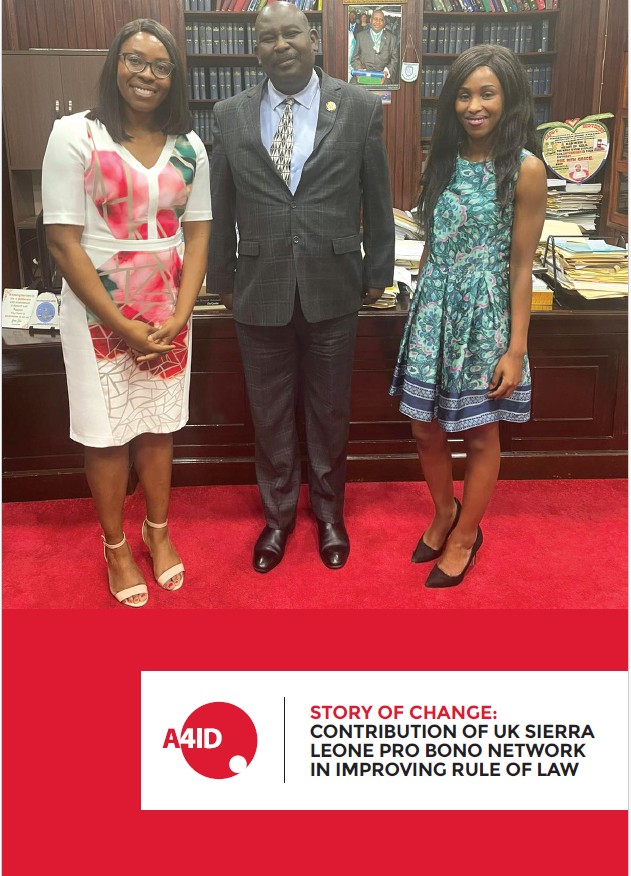
Story of Change: Contribution of UK Sierra Leone Pro Bono Network in Improving Rule of Law
This Story of Change highlights how the work of the UK Sierra Leone Pro Bono Network (UKSLPBN) has contributed to strengthening the capacity, opportunity, and motivation of legal institutions in Sierra Leone to improve laws, policies, systems, and practices.
Climate Change – Our Greatest Justice Challenge
Having recently returned from a visit to the Kavango-Zambezi Transfrontier Conservation Area where we are working together with legal professionals and others within the region to combat the illegal wildlife trade. I share with you some observations regarding perhaps our greatest justice challenge-climate change.
Spanning five countries, KAZA is a region of breathtaking beauty and critical biodiversity. It is also home to communities whose histories, livelihoods, and cultural identities are woven into the natural landscape. For generations, they have lived not just alongside nature, but with it – in symbiosis, with care and reverence.
And yet, these communities are now on the frontlines of converging crises that they did not create. The climate emergency, biodiversity collapse, and illegal wildlife trafficking are not abstract phenomena here – they are lived realities. They are reshaping daily life, displacing communities, eroding ecosystems, and fuelling conflict. The climate crisis, in this context, is not just an environmental catastrophe. It is a crisis of justice. A human rights crisis. And increasingly, a legal crisis.
During my visit, I listened as park rangers described how erratic rains and rising temperatures had left crops scorched and families vulnerable. I heard how economic desperation, born of environmental degradation, had driven some into the illicit wildlife trade. I was told how the militarisation of conservation efforts had sometimes bred mistrust between local communities and park rangers — people who, in truth, should be allies in a shared cause.
That conversation has stayed with me. Because it crystallised something that is so often missed in the global discourse on climate: climate change does not occur in a vacuum. It collides with inequality. It amplifies exclusion. It deepens injustices that have long been entrenched. And it forces us – particularly those in the legal world to ask: what does justice look like in a changing climate?
Where Law Meets Climate Justice
At A4ID, we do not see the law as a mere collection of statutes or courtroom procedures. We see it as a dynamic instrument – one that, when placed in the right hands and guided by the right values, can be transformative. The law has the power to defend the vulnerable, to dismantle systems of exploitation, and to empower communities to shape their own futures.
That is the philosophy underpinning our work in the Kavango-Zambezi region. Through the KAZA Legal Network, A4ID is working alongside local legal practitioners, conservation organisations, and community leaders to build legal capacity to address the illegal wildlife trade. But we are doing so with a wider lens – one that recognises that legal frameworks must protect rights and respect livelihoods, not simply punish wrongdoing.
Through this work, we are seeing what happens when communities are not treated as passive beneficiaries of protection, but as active agents of environmental governance. We are seeing how human rights-based legal systems can push back against exploitative practices, whether they involve poaching syndicates or powerful commercial interests. We are seeing climate justice not as an abstract ideal, but as something real, rooted, and possible.
Why Climate Justice Needs a Legal Response
Environmental rights are human rights – they encompass the right to clean air, safe drinking water, and a healthy environment. These rights are enshrined in international agreements such as the United Nations’ Sustainable Development Goals (SDGs), particularly Goal 13 (Climate Action) and Goal 15 (Life on Land). When these rights are compromised, it is often the most vulnerable populations that suffer.
The UN views climate action and the SDGs as “inextricably intertwined” and A4ID’s belief in the power of the law to tackle climate change is further expressed in our SDG Legal Guide 13, with key action points for lawyers to respond to the multifaceted challenges climate change poses.
There is a tendency, particularly in international forums, to reduce the climate crisis to numbers: degrees Celsius, gigatonnes of carbon, adaptation costs, emission reduction targets. These numbers are important, yes – but they do not tell the whole story.
Behind every number is a story. A girl walking farther each day to collect clean water. A fisherman whose nets return empty. A mother deciding whether to plant again or give up on a land that no longer yields.
Those most affected are, more often than not, those least responsible for the damage. They are the communities that have contributed the least to global emissions. They are Indigenous peoples who have been stewards of nature for centuries. They are smallholder farmers, pastoralists, fisherman – and now, environmental defenders who risk their lives to speak out.
This is why climate justice matters. And this is why the legal profession must step forward. The law is not neutral in times of crisis. It either enables or it obstructs. It either protects or it leaves people behind.
Whether it is through litigation that holds polluters to account, protecting environmental defenders, legislation that ensures the fair distribution of climate finance, or constitutional protections for future generations – the law has a role to play in shaping the world we need. A world where dignity, equity, and sustainability are not competing interests, but interdependent principles.
In recent years climate litigation has become an effective way to advance climate action by highlighting issues and accountability. Historically, collective action and advocacy work has focused on combating climate change but there has been a significant increase in international climate litigation involving human rights in recent years, brought about by communities and individuals on the frontline of climate change.
In April 2024, a case brought by a group of Swiss women to the European Court of Human Rights resulted in a landmark ruling. The Court found that Switzerland had failed to act sufficiently on climate change, and in doing so violated the women’s human rights.
This and other cases are spearheading the charge for action and accountability on climate change – even prompting the question recently raised in UK newspaper The Guardian: Is legal action the only way to save the planet?
Many of these cases have already helped to reframe the public narrative on climate change or prompted policy reviews by governments and corporations.
Fundamentally, the actions reinforce how the power of the law can drive progress. And how urgently needed change can begin with the law. The legal system is key to ensuring that people remain front and centre of any action and policy on climate change.
A Call to Legal Action
A4ID was founded on a radical idea: that the legal profession is not simply a bystander to development – it is a key driver of it. We believed then, and still believe now, that lawyers, judges, and legal institutions have the tools, the reach, and the responsibility to be agents of positive change.
That mission has never been more urgent. The climate crisis is not only a test of science and policy. It is a moral reckoning. It asks us to confront uncomfortable truths about power, responsibility, and the systems we have built. And it demands courage – not just in the streets or in the boardrooms, but also in our courts, in our parliaments, and in the legal principles we defend.
Fortunately, I see that courage every day. I see it in the young lawyers, many of whom are leading the charge on environmental litigation and advocacy. I see it in our partners across the Global South – legal professionals who are fighting against the odds to uphold justice in fragile ecosystems. I see it in the growing movement for environmental rights that insists the law must evolve, just as the climate is changing.
We at A4ID are privileged to be part of this global movement. But we know that our work is only a small piece of a much larger puzzle. The journey toward climate justice will require every part of the legal system to stretch beyond its comfort zone – to adapt, to innovate, and to stand firmly on the side of those whose voices are too often unheard.
The Law as Legacy
Ultimately, the question we must ask ourselves is not just what kind of planet will we leave behind? but what kind of justice system will we leave behind? Will it be one that defends privilege, or one that dismantles inequality? Will it be one that reacts to crisis, or one that helps prevent it? Will it recognise the inextricable link between the health of our ecosystems and the health of our societies?
Climate justice is not only about protecting the environment. It is about protecting people. It is about building a future where development is not only sustainable, but also inclusive. It is about ensuring that the law – this most powerful of human tools – is wielded wisely, courageously, and compassionately.
In the end, this is a story not just about climate, or law, or even justice. It is a story about courage – the courage of communities who refuse to be victims, the courage of legal professionals who choose to act, and the courage of all of us to imagine and build a better future.
We owe it to those communities, like the ones I met on the frontline in during my trip to the KAZA region. So let us rise to that challenge. For the sake of the planet. For the sake of justice. And for the sake of generations yet to come.
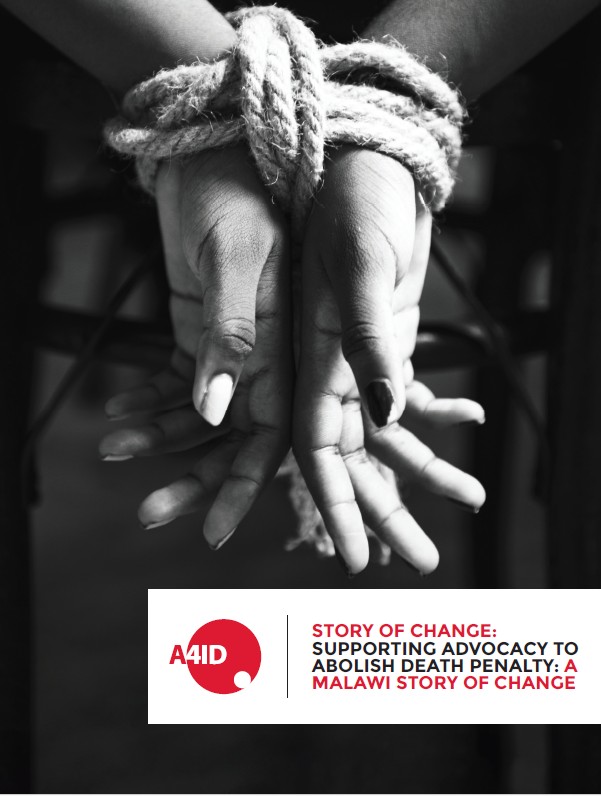
Story of Change: Supporting Advocacy to Abolish the Death Penalty
This Story of Change focuses on the work of Reprieve in Malawi and the tailored approach adopted towards the abolition of the death penalty. It describes Reprieve’s work to effectively advocate and change public opinion on the abolition of the death penalty, with the result that an Abolition Bill is expected to be passed. The Malawian process serves as a model for other countries in Eastern and Southern Africa.
“
“… the impact on families is the most powerful story to impact people. MPs who were not convinced of arguments against the death penalty saw the human face of it through personal stories and did move crucial steps in the debate.”
Reprieve UK Fellow
Strengthening Freedom of Religion or Belief in Pakistan Through District Peace Committees
Training and new operational guidance are helping local peace committees strengthen religious harmony and support minority communities across Sindh, Pakistan.
Advocates for International Development (A4ID), through its ROLE UK Programme, has been working with the Legal Aid Society Pakistan (LAS) to strengthen District Peace Committees (DPCs) in Sindh, supporting efforts to promote freedom of religion or belief (FoRB), religious harmony and community-based conflict prevention.
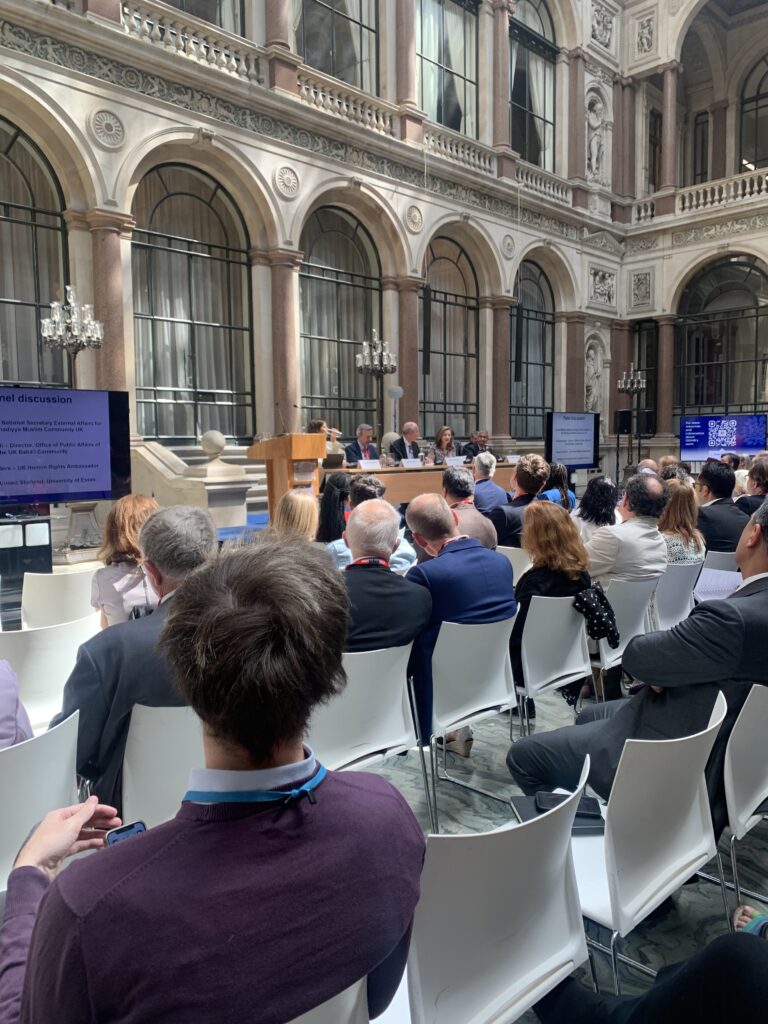
The initiative was showcased at the launch of the UK’s Freedom of Religion or Belief Strategy at the Foreign, Commonwealth and Development Office (FCDO) in June 2025, where A4ID’s ROLE UK Programme was selected as one of only two featured exhibitions. The event, hosted by FCDO Minister Lord Ray Collins and the UK’s Special Envoy for Freedom of Religion or Belief, David Smith MP, highlighted practical approaches to protecting religious freedom and strengthening community resilience.
Supporting local mechanisms for religious harmony
Despite constitutional guarantees, religious minority communities in Pakistan continue to face significant challenges, including discrimination, exclusion and threats to their safety and security. Strengthening local institutions that promote dialogue and cooperation is an important part of building more inclusive and peaceful communities.
District Peace Committees are government-designated local bodies established to promote religious harmony, address community-level concerns and help prevent tensions between different religious groups. By bringing together representatives from diverse faith communities, local government and civil society, DPCs play a vital role in supporting social cohesion and conflict prevention.
Through this project, A4ID and LAS are working to enhance the capacity of DPC members to identify and respond to issues affecting religious minorities, strengthen community engagement and support peaceful resolutions to local disputes.
Training District Peace Committee members
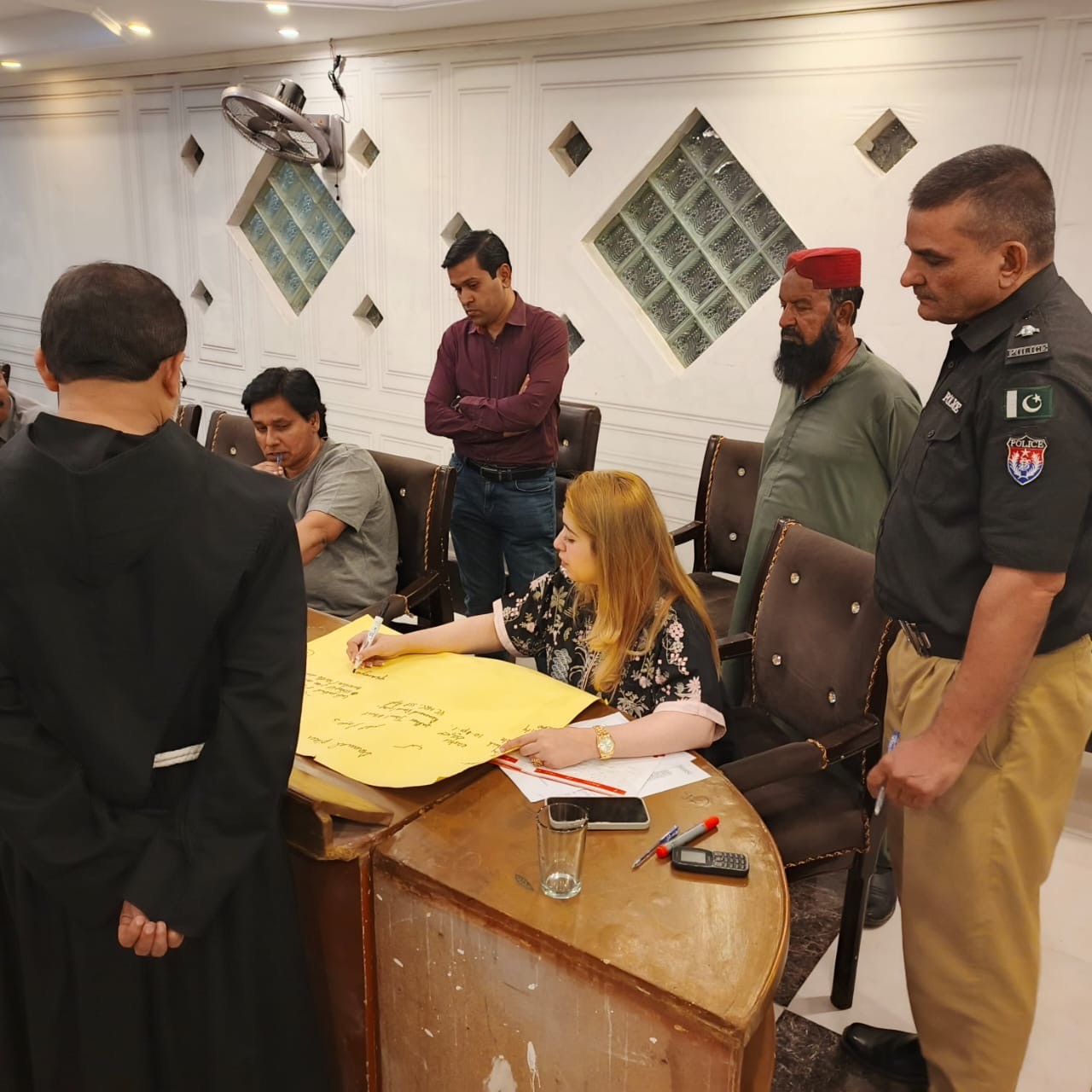
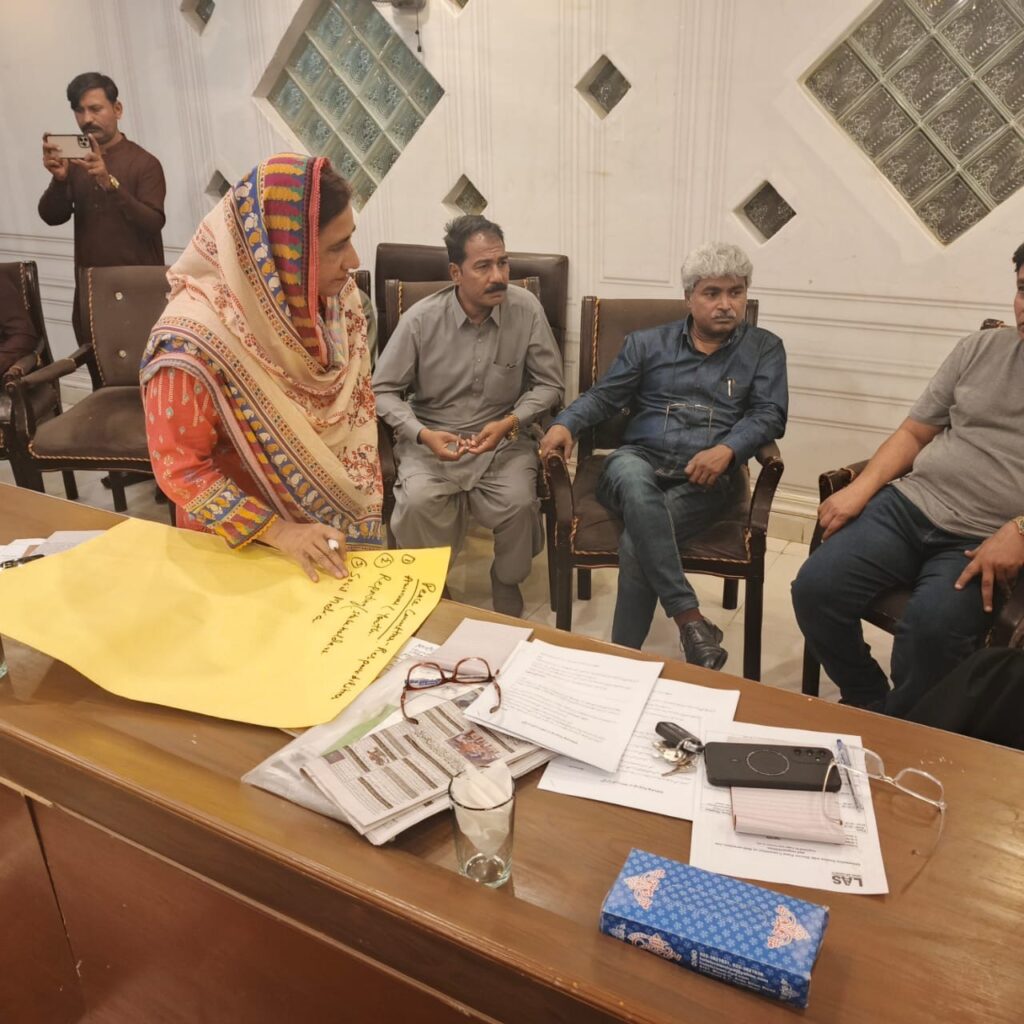
As part of the programme, pro bono legal experts delivered training sessions to District Peace Committee members across four districts in Sindh.
Participants included representatives from different religious communities, local administration and civil society organisations, creating opportunities for dialogue, knowledge sharing and collaboration.
The training focused on strengthening communication, coordination and problem-solving skills, enabling committee members to work more effectively together to address challenges facing their communities and promote freedom of religion or belief at the local level.
Developing practical guidance for community response
Alongside the training programme, UK legal experts worked with local specialists to develop Standard Operating Procedures (SOPs) for District Peace Committee members.
The SOPs provide a practical framework to guide responses to incidents of religious tension or violence, helping committees operate more effectively and consistently when addressing community concerns.
By establishing clear procedures and strengthening coordination among stakeholders, the project aims to support timely interventions and reduce the risk of escalation.
Voices from the Programme
Reflecting on the value of bringing communities together, one District Peace Committee member said:
“When tensions rose, we came together – Hindus, Muslims, civil society, and administration – to protect peace.”
Ms Pushpa Kumari (District Peace Committee) and Mr Tufail (Minority Facilitation Desk)
Another participant highlighted the practical benefits of the training:
“We learned how to identify issues affecting our communities — especially religious minorities. The training will help us uncover facts and find real solutions.”
The Legal Aid Society Pakistan (LAS) works to bridge the justice gap for vulnerable communities through free legal aid, policy reform and grassroots engagement. As A4ID’s implementing partner in Sindh, LAS plays a central role in strengthening local mechanisms that support religious harmony, access to justice and minority rights.
Looking ahead
The lessons emerging from this work will contribute to a forthcoming research publication examining the role of District Peace Committees in promoting freedom of religion or belief, strengthening social cohesion and supporting the protection of religious minorities in Pakistan.
By investing in local leadership, dialogue and practical conflict-prevention mechanisms, the project demonstrates how community-based approaches can contribute to stronger protection of fundamental rights and more resilient communities.
I recently had the privilege of gaining insight into the thinking of aspiring young lawyers. It was both inspiring and concerning.
On the one hand, the level of knowledge, articulation of ideas and considered responses to the essay competition question I was asked to judge was impressive, but on the other – there was a real sense of pessimism.
The question? What will be the challenges to the rule of law in the next 20 years?
A clear and consistent concern emerged: the erosion of democratic norms, the rise of artificial intelligence, persistent corruption, and the climate crisis all threaten legality, accountability, and equality before the law.
The rule of law has long served as the cornerstone and guiding principle of legal systems worldwide. But in an era defined by rapid technological innovation, geopolitical instability, and shifting social norms, the legal community is grappling with a fundamental question: What does justice look like in the 21st century, and how can we safeguard the rule of law amid profound transformation?
The challenges are undeniable and while it’s not difficult to see how those joining the legal profession may approach their future with caution – there are reasons for optimism.
Defending the rule of law was a prominent theme at the Commonwealth Lawyers Association Conference, which I attended last month. And although the World Justice Project’s 2024 Rule of Law Index reports a global decline for the seventh consecutive year, the data also points to a slowdown in that trend, offering hope that meaningful progress is still within reach.
A Catalyst for Sustainable Development
The rule of law is far more than a legal framework – it is the foundation of just, peaceful, and prosperous societies. It protects human rights, supports economic development, fosters public trust, and ensures power is exercised with accountability. It is also vital to achieving the United Nations Sustainable Development Goals.
It is in essence a powerful force for change and good or a “Great Enabler”. That is why if we want a just and sustainable future it is imperative we safeguard it.
But upholding the rule of law cannot be the responsibility of legal professionals alone. It requires coordinated action across governments, civil society, institutions, and citizens. The rule of law must move from the periphery to the centre of global development efforts.
At A4ID, we witness its transformative potential daily. Through strategic partnerships and expert legal support, we work across continents to strengthen judicial systems, promote access to justice, and protect fundamental rights.
Strengthening the Rule of Law in Practice
In a world marked by rising authoritarianism, growing inequality, and escalating conflict, the rule of law serves as both a shield against injustice and a framework for sustainable development.
Its resilience depends not on abstract ideals but on deliberate investment in the institutions and individuals upholding justice.
Collaboration is the heartbeat of our sector – when we come together our work can be far-reaching and impactful as we have seen at A4ID over the past 19 years. Our Rule of Law Expertise (ROLE) UK programme focuses on building long-term partnerships between the UK legal sector and legal actors in developing countries to strengthen the rule of law and facilitate progress towards the SDGs.
Defending Judicial Independence and International Collaboration
Judicial independence is fundamental to the integrity of democratic governance, and in this rapidly shifting world, the effectiveness of judicial systems increasingly depends on meaningful international collaboration.
The importance of this collaboration was clear when we partnered with leading judicial institutions to bring together 12 Supreme Court judges from across Africa for a high-level peer exchange. Critical issues such as threats to judicial autonomy, the ethical implications of emerging technologies, and the enduring relevance of African legal traditions were discussed.
The exchange provided a forum for comparative reflection on judicial leadership, executive encroachment, and the protection of democratic norms – highlighting the judiciary’s essential role in upholding the rule of law, particularly in politically sensitive environments.
Building Local Capacity for Long-Term Reform
Sustainable legal reform is rooted in local ownership and leadership. In this context, supporting judicial development programmes is key. Enabling high quality legal education, providing access to legal knowledge and supporting the capacity for judiciaries to independently deliver ongoing legal education is vital in working towards development goals.
Our work with partners has recently supported eight judicial development programmes in Nigeria and Jamaica, reaching over 220 legal professionals, including judges, magistrates, and court administrators. In Nigeria, that work has help to expand the National Judicial Institute’s trainer network, enhancing its capacity to independently deliver ongoing, high-quality legal education.
Safeguarding Civic Space
A vibrant civil society and independent media are essential to democratic accountability, yet civic freedoms face increasing threats worldwide. The legal profession has a vital role to play in protecting this space.
Strategic Lawsuits Against Public Participation (SLAPPs) – legal tactics used to intimidate and silence dissent – are on the increase and threaten the fundamental right to freedom of speech.
Journalists and all those who courageously seek to uncover truth and challenge impunity must be safeguarded. These voices must not only be heard, but powerfully amplified. The work they do is vital, and it is our collective duty to protect and uphold it.
From training for human rights defenders in Afghanistan to working with international legal and media organisations to deliver targeted legal training for journalists and lawyers in South Africa, A4ID is working with initiatives to counter these growing threats.
Legal training sessions in Zambia and Zimbabwe contributed directly to the creation of Southern Africa’s first anti-SLAPP guidelines, providing practical tools for protecting freedom of expression and supporting civil society actors on the frontlines.
A Shared Commitment to Justice
The imperative to build inclusive, accessible, and resilient legal systems has never been more urgent. As pressures on democratic institutions intensify, our collective responsibility is clear: to safeguard the rule of law, empower civil society, and ensure justice remains a universal right.
From judicial ethics to civic empowerment, peer knowledge exchange to cross-border reform, A4ID’s approach is grounded in one central truth: the rule of law is not a static ideal. It is a living principle that requires active nurturing, vigilant defence, and adaptive evolution.
Legal professionals – judges, lawyers, academics, and civil society advocates – play an indispensable role. Their expertise and ethical commitment are critical to advancing the rule of law amid complex and evolving challenges. From courtroom reform to international cooperation, their efforts are shaping a future where justice is a right accessible to all, not a privilege for a few.
At A4ID, we are steadfast in working alongside legal experts, institutions, and communities worldwide to uphold these principles and advance justice for all. We invite legal professionals, law firms, bar associations, and institutions to share your expertise, amplify your voice, and help build a world where the rule of law not only survives but thrives.
Together, we can forge a future grounded in justice, equality, and human dignity.
We have all witnessed instances across the globe where economic development and environmental rights have clashed and resulted in conflict.
Many countries face a complex challenge. On the one hand, economic growth and development have lifted millions out of poverty, created opportunities, and improved livelihoods. On the other hand, this progress has often come at a significant environmental cost—resulting in deforestation, pollution, climate change, and in many instances the loss of biodiversity.
But these two goals do not necessarily have to lead to conflict. In fact, they must go hand in hand. And the legal profession has a vital role to play in ensuring that the law is used as a tool to achieve this balance of protecting the environment while enabling sustainable and inclusive growth.
How do we reconcile the need for economic development and the protection of environmental rights? Does it really have to be this way? Or can we find a better balance?
Human Rights
Environmental rights are human rights – they encompass the right to clean air, safe drinking water, and a healthy environment. These rights are enshrined in international agreements such as the United Nations’ Sustainable Development Goals (SDGs), particularly Goal 13 (Climate Action) and Goal 15 (Life on Land). When these rights are compromised, it is often the most vulnerable populations that suffer.
At A4ID, we work at the intersection of law, sustainable development, and human rights. We believe that legal frameworks can help resolve these tensions ensuring development is not just about economic growth, but it is also about sustainability, equity, and justice.
Striving for balance
So how can we achieve a balance?
Firstly, by strengthening legal frameworks for environmental rights. Law is, after all, one of the most powerful tools we have to protect the environment while promoting sustainable development.
At A4ID one of our primary goals is to connect legal expertise with those who need it most such as non-governmental organisations or NGOs, social enterprises and development organisations that are working on environmental and sustainability issues.
One example is our KAZA programme. The Kavango Zambezi region in Southern Africa is home to some of the most ecologically significant landscapes in Africa, spanning five countries, rich in biodiversity and supporting millions of people who rely on natural resources for their livelihoods. Yet, it’s also a hotspot for the illegal wildlife trade that not only threatens biodiversity, but fuels corruption, results in organised crime and undermines stability.
Legal Frameworks
Through KAZA, we strengthen legal frameworks and build the capacity of judicial actors to combat this crisis. This work is essential because without strong laws and enforcement, poaching and illegal trafficking continue to undermine conservation efforts and sustainable development. By training judges, prosecutors, and law enforcement officers, we ensure stronger prosecutions and tougher penalties for offenders. This programme demonstrates that legal capacity-building can bridge the gap between conservation and sustainable development, ensuring that environmental protection does not come at the cost of economic security, but in fact strengthens it.
Secondly, we do it by advocating for stronger environmental laws. Beyond individual projects, we work with governments, businesses and NGOs to push for stronger legal solutions that respect environmental rights while promoting responsible investment. In some countries, outdated laws fail to hold corporations accountable for environmental damage. In others, legal loopholes allow industries to bypass regulations. A4ID collaborates with legal experts to close these gaps ensuring that laws are strong, enforceable, and fair.
And thirdly we do so, by training legal professionals in Environmental Law. After all, laws are only as effective as the people who enforce them. That’s why we train lawyers, policymakers, and organisations to use legal tools for environmental protection. Many legal professionals want to support sustainability efforts but lack the specialised knowledge. We provide training to equip them with the skills to handle environmental disputes, advise on sustainable business practices, and advocate for stronger policies. This is crucial in regions where environmental laws exist but are poorly enforced due to a lack of resources, expertise, or political will. By strengthening legal capacity, we ensure that environmental justice is not just an ideal but is a reality.
Challenges
Despite progress, significant challenges remain. For instance, there are conflicting Interests: Governments often prioritise economic growth over environmental concerns. Then there is weak enforcement: Even strong environmental laws are often not enforced. And then there is, of course, corporate influence: Large corporations sometimes use legal loopholes to avoid accountability which they can do as they have legal and financial resources at their disposal.
So how do we create a system where environmental rights and development reinforce, rather than undermine, each other?
Collaboration and Innovation
The answer lies in collaboration and innovation. If we truly want to balance these interests, we need a multi-stakeholder approach and we need to be innovative in our thinking. Legal frameworks and policies play a crucial role in striking this balance. Strong environmental laws—when properly enforced—can ensure responsible development.
Here are some examples in Asia:
Nepal’s Environmental Protection Act mandates environmental impact assessments for major projects.
The Paris Agreement provides a global framework for climate action while allowing flexibility for national priorities.
International legal support through organisations like A4ID have the potential to strengthen Nepal’s environmental governance by providing expertise, resources, and capacity-building support.
Collaboration and Innovation also means that:
Governments must create policies that encourage sustainable business models instead of seeing environmental laws as obstacles.
Businesses must adopt responsible and transparent environmental practices not just because the law demands it, but because it benefits them in the longer-term.
Legal professionals must continue to ensure environmental laws are upheld and that those affected by environmental harm have access to justice.
Civil society and local communities must be empowered to advocate for their rights and hold governments and corporations to account.
Legal professionals, policymakers, and advocates, have the power to drive change – the tools, the expertise, and the networks to shape laws that create a future where economic growth and environmental rights are not in conflict.
Development should not come at the expense of environmental destruction. And environmental rights should not mean stopping progress altogether. It’s about finding the right balance and solutions that allow both to thrive.
At A4ID, we are committed to this mission working to ensure legal frameworks support both people and the planet. Find out more about our work.
In the current political climate of tension, strained relationships and polarisation many of our rights are coming under fire. Among those rights is the fundamental right to freedom of religious belief.
Around the world millions are attacked, imprisoned, or sometimes killed for their religious beliefs and incidents are increasing.
Through our work at A4ID, I have witnessed firsthand the impact of religious persecution and how it leads to eroding the very fabric of pluralist societies and the democratic process.
Often, when we find freedom of religion restricted, we also find broader human rights under threat too.
Whether intolerance or systematic violence and repression, any attack on the freedom of religious belief shakes the very foundations of peaceful societies and puts back our hopes of building a better world. Now more than ever, it’s imperative we act.
A Crisis for Religious Freedom
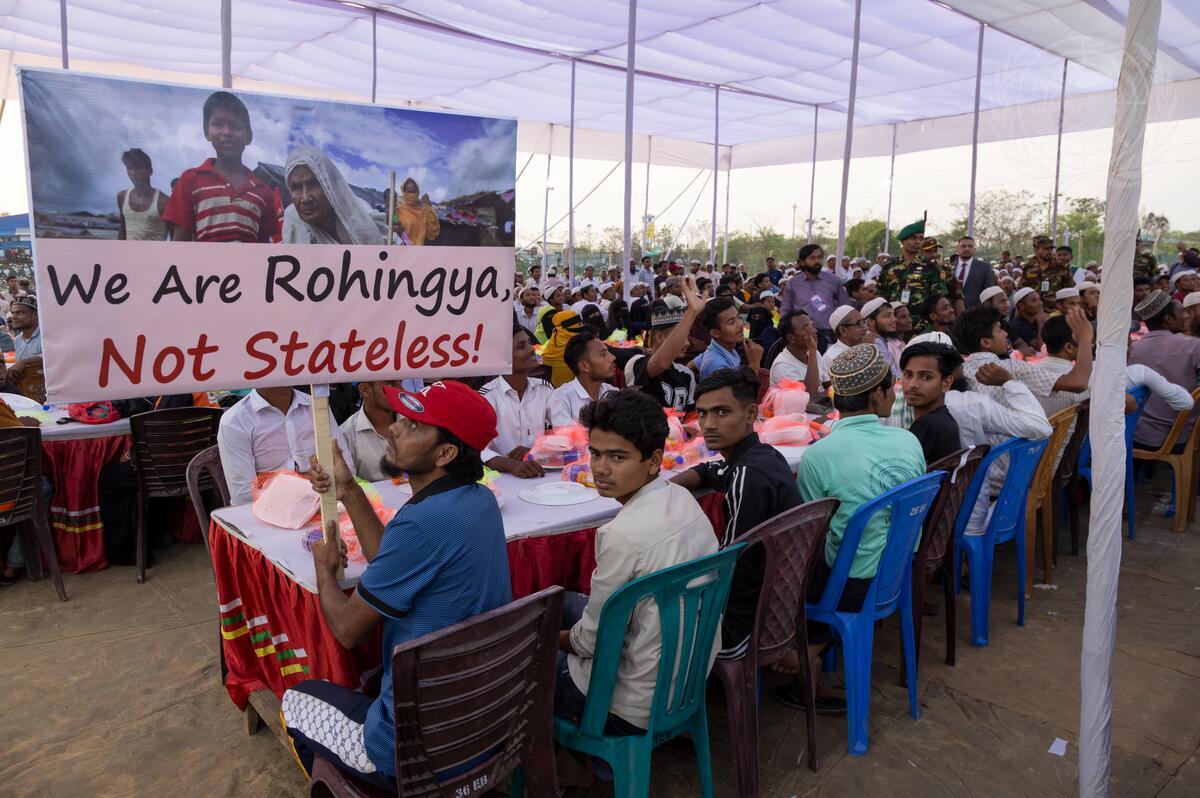
In recent years, we have seen an alarming rise in religiously motivated violence and discrimination. From the ongoing persecution of the Rohingya Muslims in Myanmar, where military-led violence has displaced over a million people, forcing them into refugee camps in neighbouring Bangladesh, to the Uyghur Muslim population in China, who faces severe state repression, including mass detentions and forced assimilation efforts, a crisis that has drawn widespread international condemnation.
These cases underscore the vulnerability of religious minorities and the critical need for robust protection. And as these threats continue to escalate, it is crucial for lawyers, human rights advocates, and development organisations to defend religious freedom.
Freedom of religious belief (FoRB) is not just a fundamental human right, it essential for individuals and society to flourish. FoRB means inclusive communities where people are free to practice faith without fear of persecution, it means building resilience against extremism and it means standing for the dignity and safety of all people.
When religious freedoms are upheld, it strengthens social stability, enhances economic development, and supports democratic governance – key pillars for achieving the United Nations Sustainable Development Goals (SDGs).
Marginalizing religious groups or restricting their rights not only infringes on their fundamental freedoms but also impedes socio-economic progress, creating barriers to development that reverberate across society.
Global Trends and Developments
In recent years, significant strides have been made globally to promote and protect freedom of religion or belief (FoRB). The United Nations General Assembly has consistently adopted resolutions reinforcing this fundamental right, most recently in October 2021, emphasizing the need for tolerance, non-discrimination, and the elimination of violence based on religion or belief. Similarly, the European Union has demonstrated leadership by advocating for FoRB at international forums and providing substantial financial support to initiatives aimed at combating religious intolerance. Notably, the International Association for Religious Freedom, established in 1900, continues to play a pivotal role in fostering interfaith dialogue and advocating for religious freedom worldwide.
Despite these advances, the troubling global trend highlights the fragility of religious freedom in certain regions. By amplifying legal frameworks, supporting grassroots movements, and advocating for policy reforms we can help ensure that the rights of religious minorities are protected, and that freedom of religion and belief remains a global priority.
Empowering Advocates and Communities
At A4ID, we work at the intersection of law, sustainable development, and human rights. We recognise that the protection of religious freedom is intrinsically linked to the success of our collective global goals such as the SDGs and is essential in ensuring that no one is left behind.
We are working to strengthen religious freedom through innovative partnerships and impactful projects. One example is our collaboration with the Legal Aid Society in Pakistan to empower local communities in protecting religious freedom.
In March, six legal experts from Karachi conducted training sessions for members of the District Peace Committees (DPC) in Sindh province. These government-designated bodies play a pivotal role in promoting religious harmony and preventing conflict at community level. Despite constitutional protections, religious minorities in Pakistan continue to face systemic discrimination. This project focuses on enhancing the capacity of DPCs, equipping them with the tools to address minority issues, foster social cohesion, and reduce violence. By strengthening these local institutions, A4ID is helping to create a more inclusive society where the protection of religious freedoms becomes an achievable reality.
Another example is A4ID’s project with the International Bar Association’s Human Rights Institute seeking to train and empower human rights defenders from around the world to be able to document FoRB violations and effectively engage international mechanisms. This included sixteen virtual training sessions as well as two high-profile roundtables in London and Washington DC. The project brought together key stakeholders to share experiences and learn new skills, including advocacy skills, aimed at effective engagement with ultimate goal of improving state compliance with international human rights standards, and providing defenders with the tools to document violations and engage international institutions. By facilitating capacity-building and creating platforms for dialogue, A4ID continues to contribute to the global movement for the protection and promotion of FoRB, ensuring that local and international defenders are equipped to safeguard religious freedom in challenging environments.
Engaging Local Institutions and Communities
The success of A4ID’s initiatives lies in their ability to engage local communities and institutions that are most relevant within the socio-political contexts they operate in. By working with District Peace Committees, A4ID taps into an existing framework of local governance that directly addresses community-level issues, fostering an environment for meaningful dialogue and change. Similarly, training human rights defenders from regions where religious freedoms are under threat, empowering them with the knowledge and skills necessary to navigate complex political landscapes and advocate for lasting reform. These projects demonstrate that when interventions are tailored to the local realities – building on existing institutions and networks – they are far more likely to create sustainable impact.
A Call to Action
As we reflect on the strides made in protecting freedom of religion and belief, one truth stands out: the legal community holds immense power – and responsibility – in advancing these fundamental rights. Lawyers, legal practitioners, and human rights defenders must go beyond upholding the law; they must be champions for stronger, more inclusive protections at both national and international levels.
This involves engaging constructively with governments to uphold human rights obligations, offering pro bono legal support to individuals and communities facing religious persecution, and strengthening local legal systems to respond to violations with resilience and integrity.
By leveraging their legal expertise, their influence, and their commitment to justice, legal professionals can be powerful agents of change – helping to shape a world where freedom of religion and belief is not only respected but actively protected for all.
At A4ID, we believe in the power of law to create lasting impact. We call on our legal partners and allies to join us in this mission – stand with us as we work to defend religious freedom, reduce division, and build a future grounded in dignity, inclusion, and shared humanity.
FoRB cuts across several UN SDGs. Find out about A4ID’s SDG Legal Initiative – a space for global legal professionals to take action through partnerships – and become part of the sustainability solution.
To learn more about our FoRB work contact fizza.khawar@a4id.org
SDG 11: Sustainable Cities and Communities
For most of human history, most people across the world lived in small communities. However, rapid urbanisation over the last few decades has dramatically changed this landscape. Today, over half the world lives in cities – a trend that is anticipated to increase for a global population that is already growing year on year. To accomodate everyone, current and future generations to come, it is imperative we build modern and resource-efficient cities. But with challenges of overpopulation, a scarcity of space and resources, and growing pollution problems, it is no surprise that 1 billion people are currently living in urban slums.
To give access to everyone to adequate and safe housing, efficient public transport, and green spaces, SDG 11 looks towards making our cities ‘inclusive, safe, resilient, and sustainable’.
Better urban planning, including through participatory and inclusive local management, can help build cities that are more inclusive, healthier, and enjoy a more equitable distribution of resources.