Strengthening Freedom of Religion or Belief in Pakistan Through District Peace Committees
Training and new operational guidance are helping local peace committees strengthen religious harmony and support minority communities across Sindh, Pakistan.
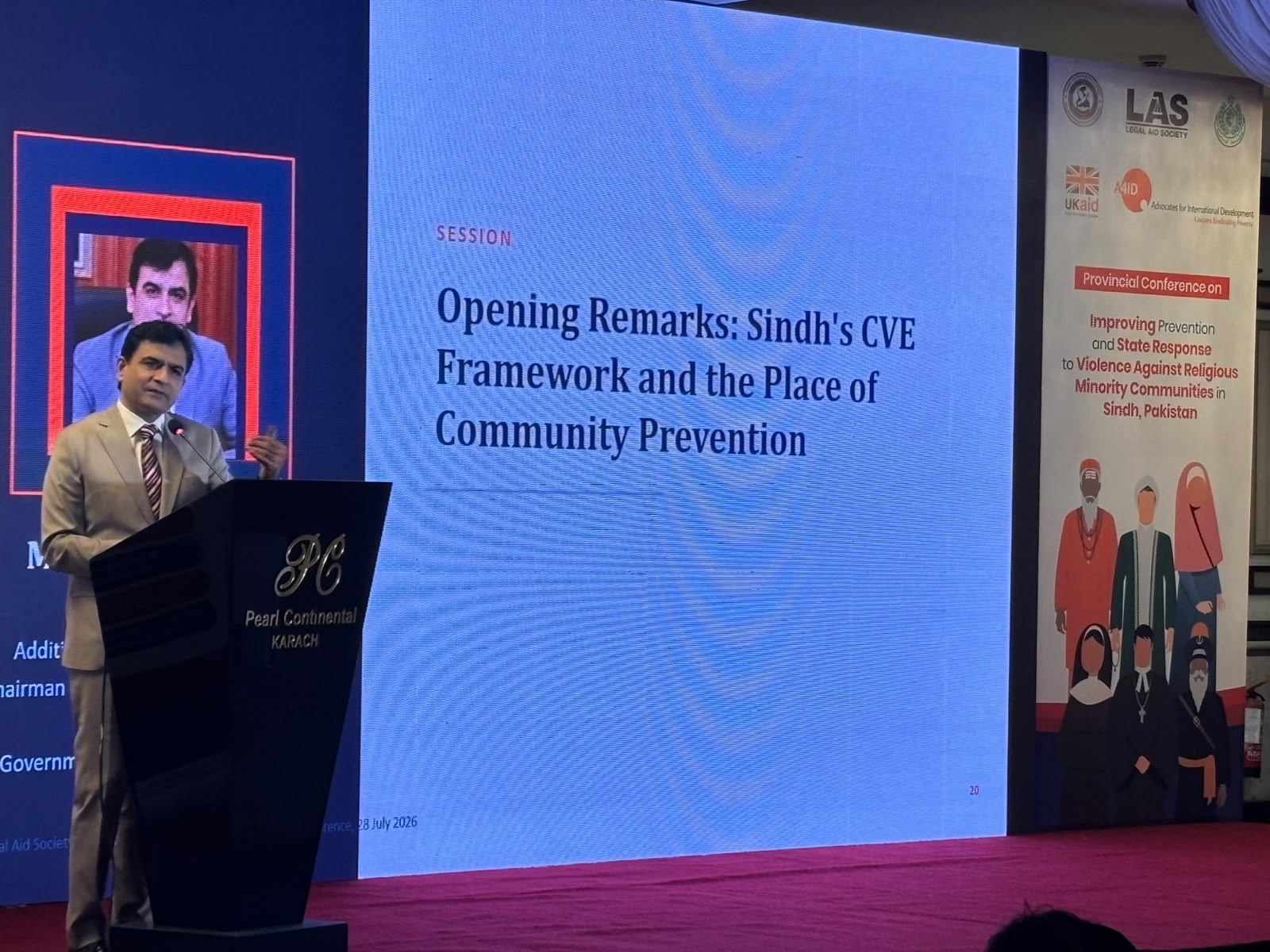
Advocates for International Development (A4ID), through its ROLE UK Programme, has been working with the Legal Aid Society Pakistan (LAS) to strengthen District Peace Committees (DPCs) in Sindh, supporting efforts to promote freedom of religion or belief (FoRB), religious harmony and community-based conflict prevention.
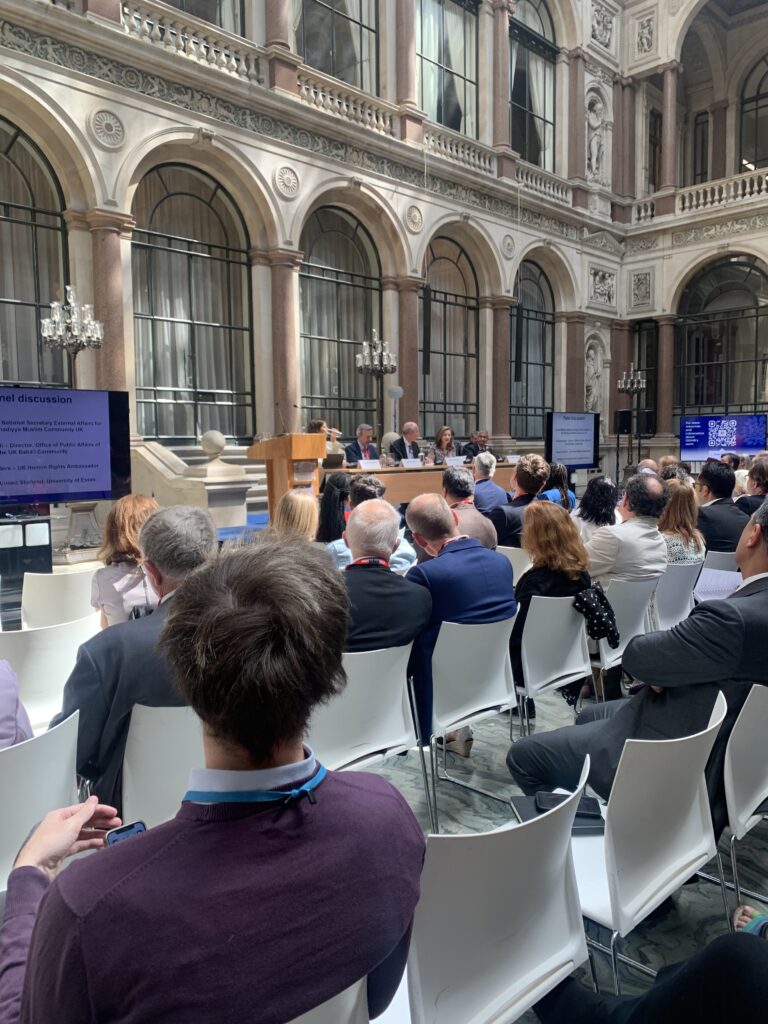
The initiative was showcased at the launch of the UK’s Freedom of Religion or Belief Strategy at the Foreign, Commonwealth and Development Office (FCDO) in June 2025, where A4ID’s ROLE UK Programme was selected as one of only two featured exhibitions. The event, hosted by FCDO Minister Lord Ray Collins and the UK’s Special Envoy for Freedom of Religion or Belief, David Smith MP, highlighted practical approaches to protecting religious freedom and strengthening community resilience.
Supporting local mechanisms for religious harmony
Despite constitutional guarantees, religious minority communities in Pakistan continue to face significant challenges, including discrimination, exclusion and threats to their safety and security. Strengthening local institutions that promote dialogue and cooperation is an important part of building more inclusive and peaceful communities.
District Peace Committees are government-designated local bodies established to promote religious harmony, address community-level concerns and help prevent tensions between different religious groups. By bringing together representatives from diverse faith communities, local government and civil society, DPCs play a vital role in supporting social cohesion and conflict prevention.
Through this project, A4ID and LAS are working to enhance the capacity of DPC members to identify and respond to issues affecting religious minorities, strengthen community engagement and support peaceful resolutions to local disputes.
Training District Peace Committee members
As part of the programme, pro bono legal experts delivered training sessions to District Peace Committee members across four districts in Sindh.
Participants included representatives from different religious communities, local administration and civil society organisations, creating opportunities for dialogue, knowledge sharing and collaboration.
The training focused on strengthening communication, coordination and problem-solving skills, enabling committee members to work more effectively together to address challenges facing their communities and promote freedom of religion or belief at the local level.
Developing practical guidance for community response
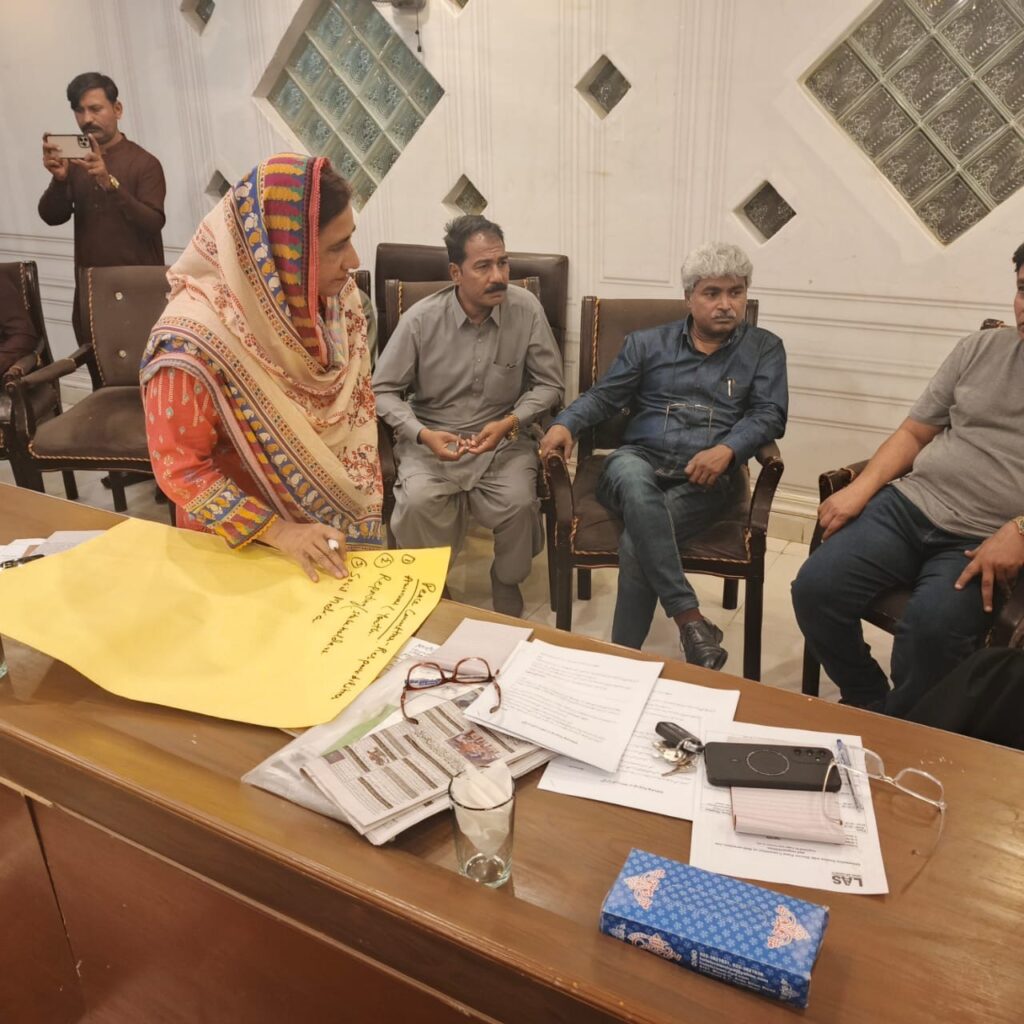
Alongside the training programme, UK legal experts worked with local specialists to develop Standard Operating Procedures (SOPs) for District Peace Committee members.
The SOPs provide a practical framework to guide responses to incidents of religious tension or violence, helping committees operate more effectively and consistently when addressing community concerns.
By establishing clear procedures and strengthening coordination among stakeholders, the project aims to support timely interventions and reduce the risk of escalation.
Voices from the Programme
Reflecting on the value of bringing communities together, one District Peace Committee member said:
“When tensions rose, we came together – Hindus, Muslims, civil society, and administration – to protect peace.”
Ms Pushpa Kumari (District Peace Committee) and Mr Tufail (Minority Facilitation Desk)
Another participant highlighted the practical benefits of the training:
“We learned how to identify issues affecting our communities — especially religious minorities. The training will help us uncover facts and find real solutions.”
Inspector Tufail, Minority Facilitation Desk, Hyderabad
About Legal Aid Society Pakistan
The Legal Aid Society Pakistan (LAS) works to bridge the justice gap for vulnerable communities through free legal aid, policy reform and grassroots engagement. As A4ID’s implementing partner in Sindh, LAS plays a central role in strengthening local mechanisms that support religious harmony, access to justice and minority rights.
Looking ahead
The lessons emerging from this work will contribute to a forthcoming research publication examining the role of District Peace Committees in promoting freedom of religion or belief, strengthening social cohesion and supporting the protection of religious minorities in Pakistan.
By investing in local leadership, dialogue and practical conflict-prevention mechanisms, the project demonstrates how community-based approaches can contribute to stronger protection of fundamental rights and more resilient communities.
Discover more about our Rule of Law work and ROLE UK Programme.