CEO INSIGHT: Women’s Rights Under Fire
I recently came across the term “gender apartheid” for the first time.
It was during a powerful discussion on Human Rights Day at the House of Commons. The talk was entitled: “Erasing Women in Afghanistan – how the Taliban violates all 30 Articles of the Universal Declaration of Human Rights”.
The discussion hit me hard. It laid bare the brutal reality of life for Afghan women – systematically silenced, erased from public life and stripped of their most basic freedoms. It was not just a chilling expose of the present – but it was, I fear, a prelude to how 2025 is looking for many women, if we do not act now.
We like to tell ourselves the world has progressed – and in some ways it has. But then you hear terms like ‘Erasing Women’ or read that every 10 minutes, a woman is murdered by someone in her own family. You learn that in Afghanistan, women are banned from midwifery courses – preventing them from safely delivering their own babies, you realise just how far we still have to go. These are not stories from history books. This is happening right now – in the 21st Century, when in truth we should have evolved.
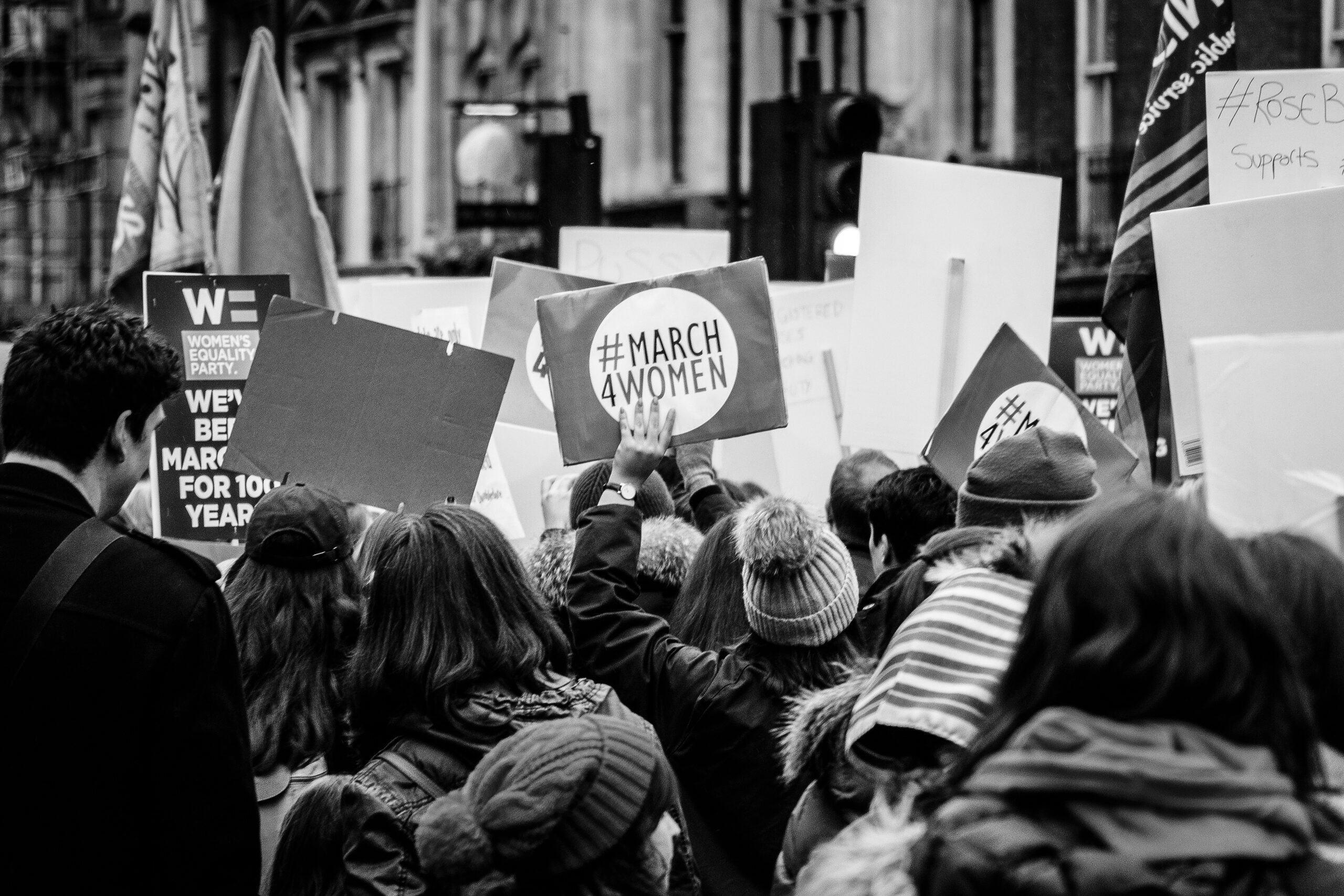
That’s why the theme for International Women’s Day (IWD) this year is more than just a call to “#AccelerateAction”. It’s a stark reminder that action is not optional. It’s urgent. It’s essential.
If we continue at today’s glacial pace, it will take five generations to achieve gender parity, according to data from the World Economic Forum. That’s the year 2158 and that’s simply unacceptable.
What makes this even more alarming is that, rather than accelerating progress, we are seeing hard fought rights being rolled back. According to the recent UN report – Women’s Rights in Review 30 Years After Beijing one in four governments worldwide reported a backlash against women’s rights just last year.
At a time when gender equality should be a universal priority, António Guterres, the UN Secretary-General, warms us instead that we are witnessing “the mainstreaming of misogyny.”
There “have” been advances. According to the report, 90% of states have reported introducing or strengthening violence against women and girls’ laws, while 79% have set up, updated or expanded national action plans to end violence. A total of 162 countries have banned workplace discrimination. These are certainly steps forward, but they are nowhere near enough.
The same report tells us that women have only 64% of the legal rights of men – reducing their rights to protect their access to health, food and to assert autonomy in their lives.
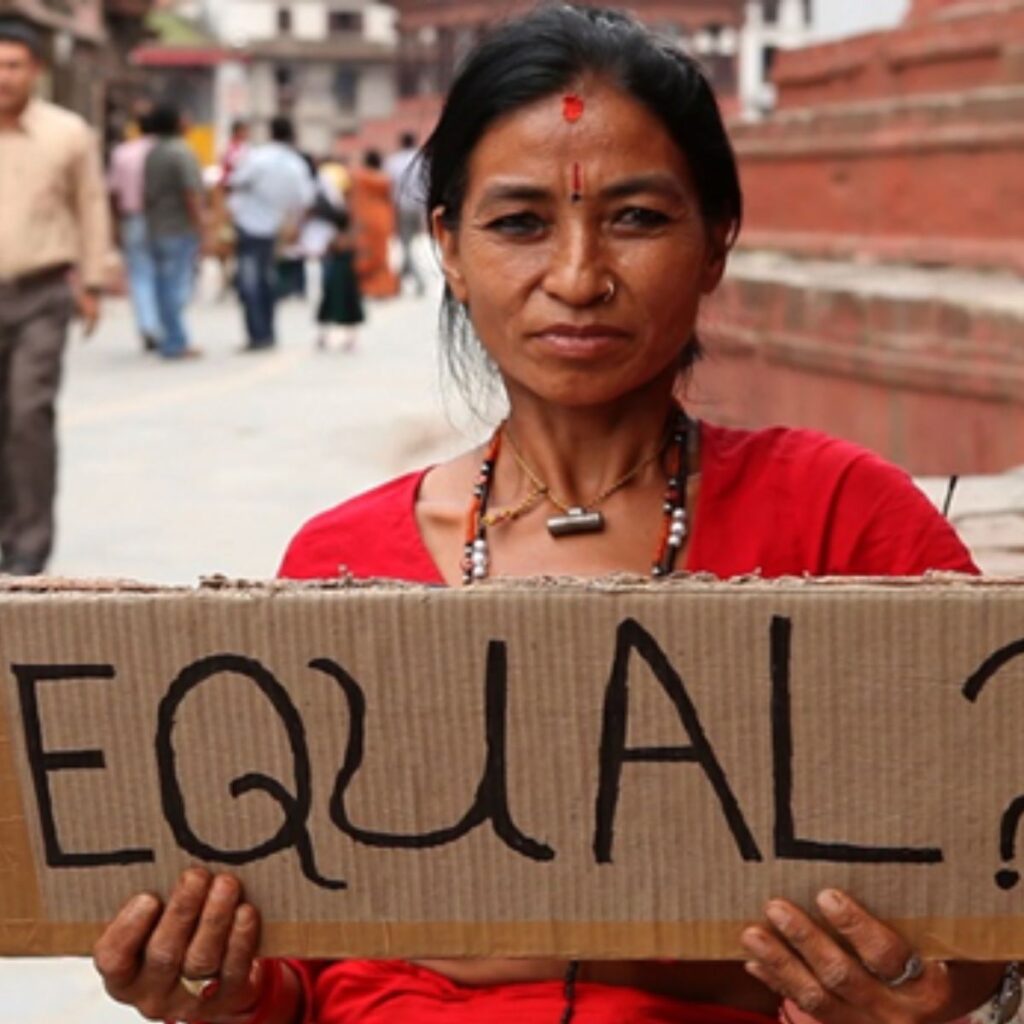
Even now, in 2025, millions of women continue to be systematically excluded from decision making, leadership roles and economic opportunity – their potential squandered because of systems built to exclude them. Gender discrimination is not confined to any one country or culture – it exists everywhere, in every sector, touching every aspect of life.
We know that “law” has the power to drive change – to shape structures that either uphold injustice or dismantle it. Robust legal frameworks are not just important, they are foundational. They set standards that institutions and society at large must uphold. This will provide women and girls the tools to assert their rights, demand justice, and claim their power.
Thirty years ago, world leaders committed to gender equality. That commitment was reaffirmed with the adoption of the Sustainable Development Goals (SDGs), including SDG 5: Gender Equality – by 203O.
At A4ID we harness the power of the law and the expertise of lawyers to advance the SDGs and fight global poverty. Gender equality is woven through our work because we know that without it, sustainable development is impossible.
Together with our law firms and corporate partners we support projects that empower women – from advancing financial inclusion for women in Bangladesh to strengthening protections for garment workers in India, to championing the rights of women in countless other programmes across the globe.
The legal community has a unique and critical role to play and there are many ways it can do so:
Align pro bono work with SDG 5
Law firms can align their pro bono efforts with the Sustainable Development Goals, either alone or with A4ID, tracking and demonstrating their impact towards gender equality. Partnering with NGOs and experts ensures those efforts are informed by on-the-ground realities.
Help draft legislation
Legal frameworks are essential to women’s rights. Discriminatory laws still govern women’s lives – from inheritance rights to land ownership, from access to healthcare to protections against sexual violence. Pro bono legal expertise can support reform processes that eliminate sex-based inequalities and embed gender justice into national legal systems.
Advise civil society organisations
Legal advice and representation are critical to the effectiveness of organisations fighting for women’s rights. Pro bono legal services strength these organisations and amplify their impact.
Capacity building policy advocacy
Lawyers can work alongside governments, advocating for policies and legislation that advance gender equality and protect the rights of women and girls.
Tackle systemic discrimination
Discrimination and violence against women persist even where laws exist to prevent them. Through pro bono representation, strategic litigation, and empowerment initiatives, lawyers can help women and girls fight for their rights and hold perpetrators to account.
We are facing unprecedented times – with growing insecurity, escalating conflicts and democracy under siege – nearly three quarters of the world’s population are living under autocratic rule. In this climate, we cannot afford complacency. We must hold steadfast to our goals on gender equality, reinforce legal protections and push back hard against the ‘mainstreaming of misogyny’.
Securing gender equality rights is not just a moral imperative. It is a prerequisite for a just, peaceful and sustainable future. The fight for women’s rights is a fight for humanity itself – and a fight we must never abandon.
On this year’s International Women’s Day, let’s amplify the voices of the women of Afghanistan and from every corner of the globe where their rights are under threat. Let’s make sure they are not erased – from history, from public life, from our collective conscience. Their fight is our fight.
The time for action is now. Let’s not wait another five generations.
See A4ID’s guide to SDG 5 and find out more about Legal Pro bono.
Read more about the UN report and the Beijing 30 Action Plan